Everyone tracks qualifications. Nobody plans with them.
Taking into account that it is 2026 and AI is defining headlines for 3 years, you would imagine that day to day life in an aviation maintenance facility must have radically changed. This dream lasts until you’re put in charge of making sure that the whole workforce of a Part 145 maintenance facility is fully compliant. The first thought when seeing the single spreadsheet everything is tracked in is “how is this legal?”. Your thoughts quickly jump to “it can’t really be that bad”, but while you trust the remarks of experienced mechanics that have literally been to war, you are also not so sure. So while realizing some people track expiration days in place of issuing dates and some things found their way into the database without any trace of where it came from, your whole responsibility being on the line you decide that it’s time for things to change. That was me, eight months ago. After 10 years of military aviation experience, a master’s degree in aerospace engineering, and a bank account statement claiming that I have a Claude pro subscription, I felt like I could do this.
An aircraft is only as airworthy as the people who sign for it.
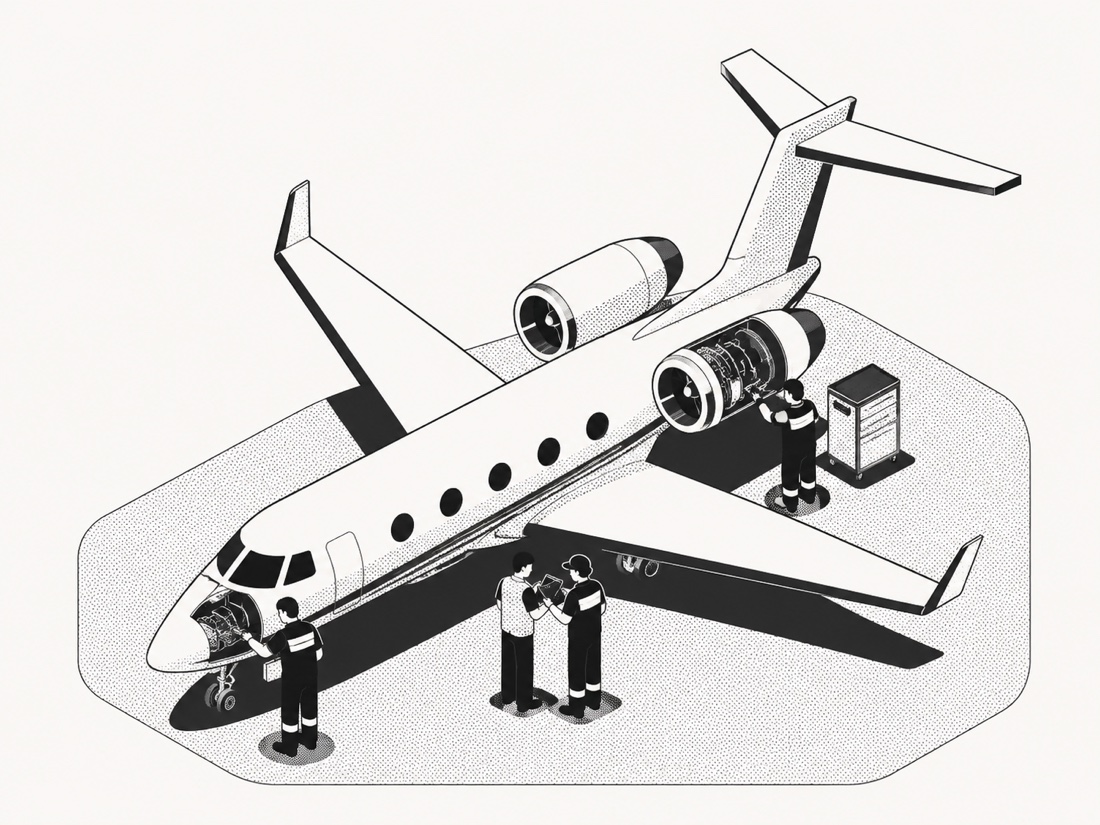
But to make sure not to waste time building something that someone already built better, I reached out to a ton of people. Operators, Directors of Maintenance, Quality Managers, consultants, anyone the EASA and FAA world could offer to me. The pattern: everyone has something. Spreadsheets, a homegrown Access tool, a CRM bent into shape, and an HR system doing a job it wasn’t built for, and every one of these depends on one overloaded person keeping it alive. All of that was even more impressive to me given the fact that audit findings regarding personnel were “always a thing” because a lot of information “lives in one person’s head”. To be fair, some small operators genuinely don’t need more. The problem obviously scales with people x qualifications x recurrency, not headcount alone. But given that even if I won’t set foot in such an airplane, it still will end up flying over my head, I’d highly appreciate to know that whoever reconnected that hydraulics pump was actually certified to do so.
For a long time, it was easy to blame this on the existing software market. Given the ridiculous implementation cost of a full ERP + years of onboarding consulting fees made anything but spreadsheets simply not an option for anything in general aviation. But times have changed. Yet, most people in our industry (that are unfairly desperately underserved by the way) have normalized the status quo as if there was no cure. The problem is that while people stick to the “old system”, the world moves on and adds more compliance requirements (hello SMS), while the overload of maintenance work on aging fleets keeps growing. On top of that, the workforce changes while the tooling doesnt. While often still making it to “compliant” on audit day, we all know that there is a long way to go before being in full control between those events.

Based on the nature of the reward cycle (qualification compliance being audited as paperwork), everyone treats this as a records problem. At the end of the day, you do well what you get evaluated on and in this case, it is proper documentation. Store certificates, survive the audit. But the same data, kept alive, answers a much more valuable question: who can I actually deploy, right now, on this task? The more operators I talk to, it seems like the eligibility for sign-offs, coverage gaps, training planned against future demands instead of expiry panic define the baseline for resource planning.
So after all of this, still in need of a lightweight tracking tool that would let me sleep at night, I started building it myself. I call it qeep. Because it's supposed to keep you qualified. That sounds simple until you realize a tracking tool is only worth anything if keeping it current costs less effort than the mess it replaces, which is the part that actually took time. Now people get an email telling them what's expiring and what to take care of, and the information you used to dig for surfaces on its own.
Solving the compliance workload is a small win when you're running from one fire to the next in aviation maintenance. But I strongly believe an automated single source of truth is the baseline for solving a lot of the problems along the way, without falling back into the same cycle of fragmented data and the different realities it creates. If you're dealing with the same situation, I'd love to hear how you currently manage it.
Simon